What Makes a Quality Crystal Champagne Glass Set?
Selecting the perfect crystal champagne glass set guide requires understanding what distinguishes exceptional pieces from ordinary glassware. The 2024 luxury tableware market showed 18% growth, driven by consumers investing in premium entertaining essentials. Prestigious French crystal houses like Saint-Louis have mastered centuries-old techniques, creating exquisite crystal champagne glasses set collections that elevate every celebration. Quality crystal showcases brilliant clarity, perfect weight distribution, and flawless craftsmanship that transforms champagne service into an art form.
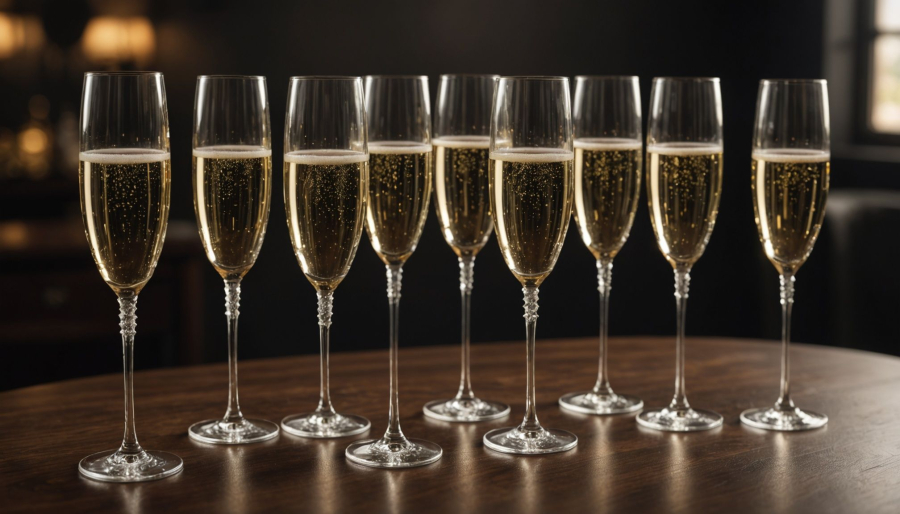
Crystal Composition and Clarity
Authentic French crystal champagne flutes contain at least 24% lead oxide, creating exceptional brilliance and weight that distinguishes them from standard glass. This composition produces the signature ring when gently tapped, indicating genuine crystal quality. Premium manufacturers like Saint-Louis employ traditional techniques passed down through generations, ensuring each piece meets exacting standards. The clarity should be absolutely flawless, without bubbles or imperfections that could detract from the champagne's visual appeal. High-quality crystal refracts light beautifully, creating prismatic effects that enhance the drinking experience. The material's density provides excellent thermal properties, maintaining champagne temperature longer than ordinary glass. When evaluating a crystal champagne glass set guide, examine each piece under good lighting to assess clarity and brilliance. Superior crystal displays exceptional transparency that allows champagne bubbles to be clearly visible throughout the glass. The weight should feel substantial in hand, reflecting the quality materials and craftsmanship involved in its creation.
Shape and Design Excellence
Professional sommeliers recognise that flute design significantly impacts champagne appreciation, making shape selection crucial in any comprehensive crystal champagne glass set guide. The ideal flute features a narrow bowl that preserves effervescence while concentrating aromatic compounds towards the nose. Luxury champagne glass collection pieces showcase elegant proportions with seamless transitions from bowl to stem. The rim should be thin and smooth, allowing champagne to flow naturally without interference. Premium designs incorporate subtle curves that enhance bubble formation and visual appeal during service. Stem length must provide adequate distance from the hand to prevent warming the champagne through body heat transfer. The base requires sufficient width to ensure stability during formal dining situations. Quality manufacturers pay attention to every detail, from the foot's thickness to the bowl's interior finish. Exceptional crystal flutes demonstrate perfect balance when held, indicating superior engineering and design consideration throughout the manufacturing process.
Craftsmanship and Manufacturing Methods
Hand-blown crystal glassware UK collectors appreciate represents the pinnacle of artisanal skill, where master craftsmen shape each piece individually using traditional techniques. This process creates slight variations that prove authenticity and add character to every glass. Machine-made alternatives lack the subtle imperfections that distinguish handcrafted pieces, though they offer consistency for larger collections. Premium manufacturers employ multiple quality control stages, ensuring each piece meets strict standards before reaching consumers. The pontil mark, where the glass was attached during production, should be smooth and professionally finished. Seams, if present, must be virtually invisible and perfectly aligned throughout the piece. Artisan crystal glassware France producers often sign their work, adding provenance and collectible value to exceptional pieces. Manufacturing excellence extends to packaging, with quality sets arriving in protective cases that prevent damage during transport. Expert craftspeople spend years perfecting their skills, ensuring each crystal champagne glass meets the exacting standards expected from luxury manufacturers.
Expert insight: Authentic crystal produces a clear, sustained ring when gently tapped with your fingernail!
What You Need to Know
- Crystal composition matters : Authentic French crystal contains at least 24% lead oxide, creating exceptional brilliance, weight, and the distinctive ring when tapped - key quality indicators for any premium purchase
- Shape affects champagne experience : Choose traditional flutes for bubble preservation, tulip shapes for aroma development, or coupes for vintage champagnes where breathing enhances complex flavours
- Craftsmanship defines value : Hand-blown crystal glassware UK collections from established French houses showcase superior artisanal techniques, seamless construction, and investment-grade quality that lasts generations
- Proper care ensures longevity : Hand-wash only with lukewarm water, air-dry upright, and store with adequate spacing to preserve your luxury champagne glass collection's brilliance and structural integrity
- Investment potential rewards quality : Premium Saint Louis crystal champagne glasses appreciate significantly over time, with discontinued patterns and complete sets commanding exceptional resale values in UK luxury markets
Key Features of Premium Crystal Champagne Glasses
| Feature | Details |
|---|---|
| Lead Content in Crystal | At least 24% lead oxide, reaching up to 32%, ensuring brilliance, weight, and the signature ring when tapped |
| Market Growth in 2024 | 18% growth in luxury tableware, with a significant trend towards investing in high-quality crystal sets |
| Typical Set Sizes | Available in 4, 6, 8, or 12-piece collections, with 6-piece sets from Saint-Louis being popular for intimate gatherings |
"Authentic crystal enhances every toast with its brilliance and resonance, making celebrations unforgettable." Investing in proper craftsmanship guarantees long-term value and exceptional aesthetic appeal.
French Crystal vs. Standard Glass: What's the Difference?
When building a sophisticated home bar or planning an elegant celebration, understanding the distinction between crystal and standard glass becomes essential for any crystal champagne glass set guide. Statistics from the UK luxury goods market reveal that 73% of premium champagne purchases in 2024 paired with crystal glassware, highlighting the growing appreciation for authentic craftsmanship. The fundamental differences between these materials extend far beyond appearance, encompassing lead content, manufacturing techniques, and sensory experiences that transform each champagne toast into something extraordinary.
Lead Content and Crystal Composition
Authentic French crystal champagne flutes contain a minimum of 24% lead oxide, with premium pieces reaching up to 32%, creating their distinctive weight and brilliance. This lead content differentiates genuine crystal from standard soda-lime glass, which contains no lead whatsoever. The lead oxide acts as a flux during manufacturing, allowing artisans to work the material at lower temperatures while achieving superior clarity and light refraction. Established French manufacturers like Baccarat and Saint-Louis maintain strict standards for lead content, ensuring each piece meets international crystal classification requirements. The higher lead percentage directly correlates with the glass's ability to bend light, creating those mesmerising rainbow prisms that dance across your champagne's surface. This composition also affects the material's density, making crystal significantly heavier than regular glass—a tactile indicator of quality that discerning collectors immediately recognise when handling luxury champagne glass collections.
Manufacturing Methods and Craftsmanship
The production divide between mouth-blown and machine-made glassware represents centuries of French savoir-faire versus industrial efficiency. Mouth-blown crystal involves master craftsmen heating crystal to 1,200°C before shaping each piece individually using traditional techniques passed down through generations. This manual process creates subtle variations in wall thickness and slight imperfections that paradoxically signify authenticity and superior quality. Machine-made glassware, conversely, employs moulds and automated processes that produce uniform results but lack the nuanced character of handcrafted pieces. French crystal houses employ additional hand-cutting techniques after initial forming, creating intricate patterns and designs that catch light at multiple angles. The polishing process for premium pieces involves up to twelve stages, including acid etching and hand-buffing with felt wheels. Each stage requires specialised knowledge, explaining why a single crystal champagne glass set guide often emphasises the time investment—sometimes weeks—required for completing luxury stemware collections that will grace the finest dining tables.
Sound, Clarity and Sensory Distinction
The acoustic properties of genuine crystal create the distinctive "ping" when gently tapped, resonating for several seconds compared to the dull "thunk" of standard glass. This musical quality results from the lead content's effect on molecular structure, allowing sound waves to travel more efficiently through the material. Visual clarity represents another dramatic difference—crystal's refractive index of 1.545 surpasses regular glass's 1.52, creating superior brilliance and fire that enhances champagne's natural effervescence. The optical quality means bubbles appear more defined and colours more vibrant when viewed through genuine crystal. Premium pieces exhibit exceptional light transmission without the greenish tint common in standard glass, maintaining champagne's true golden hues. Hand-cutting techniques create additional facets that multiply light reflection, transforming each sip into a visual spectacle. Temperature retention differs significantly too—crystal's thermal properties keep champagne properly chilled longer while feeling comfortable against lips. These sensory advantages explain why luxury champagne glass collections command premium prices and why discerning hosts invest in authentic French crystal for memorable entertaining experiences.
Quality indicator: genuine crystal always feels noticeably heavier and produces a clear, sustained ring when gently tapped.
How to Choose the Right Crystal Champagne Glass Shape?
The shape of your crystal champagne flute fundamentally transforms your tasting experience, influencing everything from bubble preservation to aroma concentration. Understanding how different designs affect champagne service ensures every celebration reaches its full potential. This comprehensive crystal champagne glass set guide explores the three primary shapes and their impact on your champagne enjoyment.
The Classic Flute Design
Traditional champagne flutes feature tall, narrow bowls that preserve carbonation exceptionally well. The slender profile minimises surface area exposure, maintaining those precious bubbles for longer periods whilst concentrating the champagne's delicate aromas towards your nose. French crystal champagne flutes typically measure 20-25cm in height with bowl diameters ranging from 4-6cm. This design channels effervescence in elegant streams, creating the visual spectacle champagne lovers adore. The narrow opening also reduces oxidation, preserving the wine's crisp character. However, this shape can limit aroma development for complex vintage champagnes that benefit from slightly more breathing room. Saint Louis crystal champagne glasses in flute style often incorporate subtle bowl curves that enhance grip comfort whilst maintaining the essential narrow profile. The rim thickness varies significantly between manufacturers, with thinner edges providing cleaner delivery to the palate and reduced interference with the champagne's texture.
The Traditional Coupe Style
Champagne coupes, with their wide, shallow bowls, dominated elegant society from the 1930s through 1960s before falling from favour. These glasses feature broad surfaces that allow champagne to breathe extensively, developing complex aromatic profiles that flutes cannot achieve. However, this openness comes at a cost - bubbles dissipate rapidly, and the champagne loses its effervescent character within minutes. The coupe's wide rim spreads the liquid across your entire palate simultaneously, creating different taste sensations compared to flutes' focused delivery. Modern luxury champagne glass collections often include coupes for specific serving occasions, particularly when serving champagne cocktails or vintage bottles where aroma development trumps carbonation preservation. The stem length typically matches flute proportions, maintaining temperature control whilst the generous bowl accommodates garnishes beautifully. Despite their visual appeal, coupes work best for immediate consumption rather than leisurely sipping, making them ideal for toasts but less suitable for extended champagne enjoyment.
The Modern Tulip Shape
Tulip-shaped champagne glasses represent the perfect compromise between flutes and coupes, offering enhanced functionality for serious champagne appreciation. These glasses feature wider bowls than traditional flutes but taper inward at the rim, concentrating aromas whilst allowing controlled aeration. The expanded bowl accommodates champagne's complex bouquet development whilst the narrowed opening preserves carbonation more effectively than coupes. This crystal champagne glass set guide recognises tulip shapes as ideal for vintage champagnes and prestige cuvées where both bubbles and aromatics deserve equal attention. The bowl width typically measures 7-9cm at its widest point, providing sufficient surface area for swirling without excessive bubble loss. Premium manufacturers craft these glasses with precisely calculated proportions - the bowl-to-rim ratio affects how aromas concentrate, whilst the curve influences bubble nucleation patterns. The tulip design also offers practical advantages: easier cleaning than narrow flutes, reduced breakage risk compared to wide coupes, and versatility across different champagne styles from brut to rosé varieties.
Expert tip: match glass shapes to champagne styles - flutes for everyday bubbles, tulips for premium bottles!
Essential Features to Look for in Premium Crystal Stemware
When selecting the perfect crystal champagne glass set guide, understanding key quality indicators ensures your investment delivers both elegance and durability. Premium crystal stemware combines technical precision with artistic craftsmanship, creating pieces that enhance your drinking experience whilst making stunning table statements.
Stem Proportions and Base Stability
Proper stem proportions form the foundation of exceptional premium crystal stemware sets. The ideal stem should measure approximately one-third of the total glass height, providing elegant visual balance whilst offering comfortable grip without warming the champagne. Quality stems feature consistent thickness throughout, tapering gracefully from bowl to base without any visible irregularities.
Base stability proves crucial for both daily use and formal entertaining. Premium sets feature bases measuring at least 60-65mm in diameter, creating a stable foundation that prevents tipping. Hand-blown crystal glassware UK manufacturers particularly excel at creating weighted bases that anchor the glass securely whilst maintaining refined aesthetics. The base should feel substantial without appearing bulky, with smooth edges that won't scratch surfaces.
Weight distribution plays a vital role in handling comfort. Superior stemware balances the bowl's weight against the base, creating a natural pivot point at the stem's midpoint. This engineering ensures comfortable holding during extended celebrations whilst preventing fatigue during formal dinner services.
Bowl Capacity and Design Excellence
Bowl capacity directly impacts champagne's effervescence and aroma concentration. Premium flutes typically hold 150-200ml, allowing adequate space for proper champagne service whilst preserving bubble streams. The bowl's interior should feature a subtle point or etched circle at the base, creating nucleation sites that encourage consistent bubble formation and enhance visual appeal.
Traditional artisan crystal glassware France incorporates specific bowl shapes that influence champagne's taste profile. Tulip-shaped bowls concentrate aromas effectively, whilst wider bowls allow better appreciation of complex champagnes. The rim should be perfectly smooth and thin, typically measuring less than 1mm thickness, ensuring comfortable sipping without interfering with champagne's delicate flavours.
Crystal clarity remains paramount in premium pieces. Quality stemware exhibits brilliant transparency without any cloudiness, bubbles, or inclusions. The crystal champagne glass set guide should emphasise pieces that demonstrate exceptional light refraction, creating rainbow-like effects when held against illumination. This optical brilliance distinguishes genuine crystal from standard glass alternatives.
Quality Markers and Durability Standards
Authentic crystal contains lead oxide content ranging from 24-32%, creating the distinctive ring when gently tapped. Premium pieces produce clear, sustained tones lasting several seconds, indicating proper crystal composition and manufacturing quality. French crystal champagne flutes often exceed these standards, incorporating traditional formulations passed down through generations of master craftsmen.
Durability markers include consistent wall thickness, seamless joins between bowl and stem, and resistance to thermal shock. Quality crystal withstands temperature variations better than regular glass, though sudden extreme changes should still be avoided. Examine each piece for manufacturing flaws such as stress lines, uneven thickness, or visible seam marks that indicate inferior production methods.
Dishwasher compatibility varies significantly between manufacturers. Many premium sets require hand washing to preserve their brilliance and prevent etching from harsh detergents. Storage considerations include adequate spacing to prevent chipping, preferably in lined drawers or dedicated crystal cabinets. Proper care ensures these investment pieces maintain their beauty for decades of elegant entertaining.
Smart tip: Always examine pieces individually under good lighting to spot any manufacturing defects before purchase.
Wedding and Special Occasion Crystal Glass Sets
Choosing the perfect crystal champagne glass set guide transforms wedding celebrations into unforgettable moments. Whether planning an intimate ceremony or grand reception, selecting the right crystal stemware requires careful consideration of guest numbers, personalisation options, and long-term value. French crystal champagne flutes from renowned houses create lasting memories whilst establishing heirloom traditions for future generations.
Selecting Set Sizes for Different Celebration Scales
Understanding guest numbers determines the ideal crystal set configuration for your special day. Intimate weddings of 20-50 guests benefit from luxury champagne glass collection sets of 6-12 pieces, allowing for toasts and backup options. Mid-sized celebrations require sets of 24-36 flutes, whilst grand receptions demand comprehensive collections of 48+ pieces. Consider purchasing matching sets in graduated sizes – starting with core numbers and expanding as needed. Hand-blown crystal glassware UK suppliers often offer flexible purchasing options, allowing couples to build their collections over time. Factor in additional pieces for bridal party toasts, cake cutting ceremonies, and potential breakage during festivities. Professional wedding planners recommend ordering 20% more glasses than guest count to accommodate unexpected attendees and ensure seamless service throughout the celebration.
Luxury Table Setting and Presentation Excellence
Creating exceptional luxury table setting crystal arrangements elevates wedding receptions beyond ordinary celebrations. Position crystal champagne flutes at the upper right of each place setting, maintaining consistent spacing and alignment across all tables. Saint Louis crystal champagne glasses catch candlelight beautifully, creating magical atmosphere for evening receptions. Layer different crystal pieces – water glasses, wine glasses, and champagne flutes – in ascending height order for visual harmony. Polish each piece immediately before service using lint-free cloths and proper crystal cleaning solutions. Consider the interplay between crystal stemware and other table elements like silverware, china, and floral arrangements. Premium crystal stemware sets complement formal dining presentations whilst maintaining functionality throughout multi-course wedding meals and extended celebrations.
Personalisation and Heirloom Creation
Engraving transforms functional crystal into treasured family heirlooms that celebrate wedding memories for generations. Popular personalisation options include wedding dates, couple's initials, or meaningful symbols etched directly onto the crystal surface. Traditional crystal champagne flute buying guide recommendations suggest subtle engraving placement – typically on the bowl's lower section or stem base. Artisan crystal glassware France craftsmen excel at delicate engraving work that maintains structural integrity whilst adding personal touches. Consider engraving wedding party gifts with individual names and roles, creating matching sets that commemorate shared celebration moments. Master engravers from historic crystal houses use techniques passed down through generations, ensuring professional results that withstand decades of use. Timeline considerations are crucial – quality engraving requires 2-4 weeks, so plan accordingly when ordering personalised wedding crystal sets.
Wedding wisdom: invest in quality crystal sets that grow with your entertaining needs beyond the wedding day!
Caring for and Maintaining Your Crystal Champagne Glasses
Proper care is essential for preserving the beauty and longevity of your crystal champagne glass set guide investment. Mouth-blown crystal champagne flutes require gentle handling to maintain their brilliance and structural integrity. Hand-washing remains the gold standard for crystal care, using lukewarm water and mild dish soap to prevent thermal shock that can cause cracking.
Hand-Washing and Cleaning Techniques
Begin by filling a sink with lukewarm water and adding a small amount of gentle dish soap. Never use hot water, as sudden temperature changes can cause crystal to crack or shatter. Hold each flute by the bowl rather than the delicate stem when washing. Use a soft cloth or natural sponge to clean the surface, avoiding abrasive materials that could scratch the crystal. For stubborn residue, soak the glass briefly rather than scrubbing aggressively. Rinse thoroughly with clean lukewarm water to remove all soap residue, which can leave streaks or cloudiness. When following any crystal champagne glass set guide, remember that patience during cleaning prevents costly damage. Professional cleaning services specialising in crystal glassware gift sets UK offer deep cleaning for valuable pieces, using ultrasonic cleaning methods that remove deposits without physical contact. This service proves particularly valuable for antique or highly decorative crystal pieces.
Proper Drying and Storage Methods
Air-drying produces the best results for crystal champagne flutes. Place glasses upright on a soft towel, ensuring adequate spacing between pieces to prevent contact. Avoid inverting glasses during drying, as water can become trapped in the bowl, creating spots or encouraging bacterial growth. If towel-drying becomes necessary, use lint-free microfibre cloths, working in gentle circular motions to avoid streaking. Store crystal glasses in a dust-free environment with adequate spacing between pieces. Purpose-built crystal storage boxes with individual compartments offer optimal protection for luxury champagne glass collection pieces. Avoid stacking glasses directly, as this creates pressure points that can lead to chipping or cracking. Consider installing padded glass racks in cabinets to keep pieces secure whilst allowing air circulation. Temperature stability in storage areas prevents expansion and contraction that can stress crystal over time, particularly important for any comprehensive crystal champagne glass set guide maintenance routine.
Preventing Damage and Troubleshooting Issues
Prevention begins with proper handling techniques and environmental awareness. Always lift glasses by the bowl rather than the stem, distributing weight evenly to prevent stress fractures. Avoid extreme temperature changes when serving champagne, allowing chilled glasses to gradually adjust to room temperature before washing. Common cloudiness issues often result from hard water mineral deposits or inadequate rinsing after cleaning. Address cloudiness by soaking affected glasses in a solution of white vinegar and water, followed by thorough rinsing and careful drying. Minor chips on rim edges can sometimes be professionally polished, though this requires specialised equipment and expertise. Store glasses away from high-traffic areas where accidental contact might occur. Regular inspection helps identify potential issues before they worsen, examining stem joints and bowl edges for stress signs. Professional restoration services can address more serious damage, though prevention remains the most cost-effective approach for maintaining valuable crystal pieces.
Essential reminder: consistent gentle care preserves crystal beauty for generations of elegant entertaining!
Investment Value of French Crystal Champagne Sets
Investing in handcrafted crystal stemware collections from prestigious French manufacturers represents a sophisticated approach to luxury asset diversification. The finest crystal pieces from heritage houses like Baccarat, Lalique, and Saint Louis crystal champagne glasses have demonstrated consistent appreciation over decades, with vintage sets often commanding 200-400% of their original retail value at auction. When considering a crystal champagne glass set guide, understanding long-term investment potential becomes crucial for discerning collectors seeking both functional beauty and financial growth.
Authentication and Provenance Verification
Authentic French crystal pieces bear distinctive manufacturer marks that determine their investment credibility. Baccarat's acid-etched signature, Lalique's frosted logo, and Saint-Louis' subtle engravings serve as primary authentication indicators. Certificates of authenticity accompany new premium crystal stemware sets, detailing production year, artisan signatures, and limited edition numbers where applicable. Professional appraisers examine pontil marks, weight distribution, and crystal clarity to verify genuineness. Heritage brands maintain detailed archives enabling provenance tracking, essential for insurance documentation and resale verification. Investment-grade pieces require complete documentation chains, including original packaging and purchase receipts. Third-party authentication services provide independent verification for significant acquisitions, particularly vintage collections. When following any comprehensive crystal champagne glass set guide, authentication represents the foundation of sound investment decisions, as reproductions flood secondary markets with convincing but worthless alternatives.
Market Pricing Tiers and Value Drivers
French crystal pricing operates across distinct investment tiers, each offering different appreciation potential. Entry-level sets from established manufacturers start around £300-800, featuring machine-assisted production with hand-finished details. Mid-tier collections ranging £800-2,500 showcase mouth-blown crystal champagne flutes with increased artisanal involvement and superior optical clarity. Premium investment pieces exceed £2,500, representing purely handcrafted works from master artisans using traditional techniques. Limited editions and discontinued patterns command significant premiums, often doubling standard retail values within five years. Rarity drives appreciation more than initial cost, with smaller production runs yielding superior returns. Condition remains paramount, as chips or cloudiness devastate resale values regardless of provenance. Market demand fluctuates based on collecting trends, with Art Deco and contemporary minimalist styles currently commanding premium prices. Following a thorough crystal champagne glass set guide reveals how understanding these pricing dynamics enables strategic acquisition timing for optimal investment outcomes.
Collectibility and Resale Considerations
Successful crystal investment requires understanding collectibility factors that influence long-term market performance. Complete sets maintain higher per-piece values than individual glasses, with original presentation cases adding 15-20% premiums. Seasonal collecting patterns affect pricing, with champagne flutes experiencing peak demand during wedding seasons and holiday periods. French savoir-faire crystal glasses benefit from cultural prestige, particularly in Asian markets where French luxury commands exceptional respect. Auction house performance indicates strong secondary markets, with Sotheby's and Christie's regularly featuring French crystal in their decorative arts sales. Estate sales and antique dealers provide acquisition opportunities below retail pricing, requiring expertise to identify undervalued pieces. Storage and maintenance impact resale values significantly, necessitating proper display cases and regular professional cleaning. Insurance appraisals every three years document appreciation and protect investment values. Investment insight: focus on discontinued patterns from heritage manufacturers for optimal appreciation potential, as scarcity drives collector demand more effectively than contemporary availability.
Questions fréquentes
What sizes are available in a crystal champagne glass set?
Most premium crystal stemware sets offer 4, 6, 8, or 12 pieces. Saint-Louis typically provides sets of 6 flutes, perfect for intimate gatherings or elegant dinner parties.
How should I care for my French crystal champagne flutes?
Hand wash with warm water and mild detergent only. Avoid dishwashers as high temperatures can damage hand-blown crystal glassware UK collections. Dry with lint-free cloths immediately after washing.
How can I verify the authenticity of Saint Louis crystal champagne glasses?
Authentic pieces feature the Saint-Louis signature etched discreetly on the base. Look for perfect clarity, precise weight distribution, and flawless rim finishing that characterizes genuine crystal champagne glass set guide purchases.
Are crystal champagne service sets suitable as wedding gifts?
Absolutely! Crystal champagne glasses wedding gifts remain timeless choices. Many brands offer elegant presentation boxes and personalisation options like engraving initials or wedding dates for memorable celebrations.
What's the proper champagne serving technique with crystal flutes?
Hold the stem, never the bowl, to maintain temperature. Pour slowly at a 45-degree angle to preserve bubbles. This crystal champagne glass set guide ensures optimal champagne presentation and tasting experience.
How do I choose quality artisan crystal glassware France collections?
Focus on clarity, weight, and sound quality when tapped gently. Authentic mouth-blown crystal champagne flutes produce clear, resonant tones and showcase exceptional transparency without air bubbles or imperfections.
Essential tip: invest in established French crystal houses for guaranteed quality that enhances every celebration!
